
Kenya has the potential to unlock more than $700 million in economic value from its waste sector by 2030, according to a new investment prospectus launched at the Kenya International Investment Conference (KIICO) today.
Titled Waste management and circular economy investment opportunity in Kenya, the prospectus outlines a pipeline of investable opportunities across the country’s waste management and circular economy value chains. It highlights how materials that are currently discarded could be transformed into valuable inputs for industry, contributing an estimated 0.5% to Kenya’s GDP while supporting job creation and strengthening domestic supply chains.
Developed through a collaboration between Invest Kenya, Systemiq, ALN Kenya and TakaTaka Ni Mali, the work is intended to support more coordinated action between policymakers, investors, businesses and development partners.
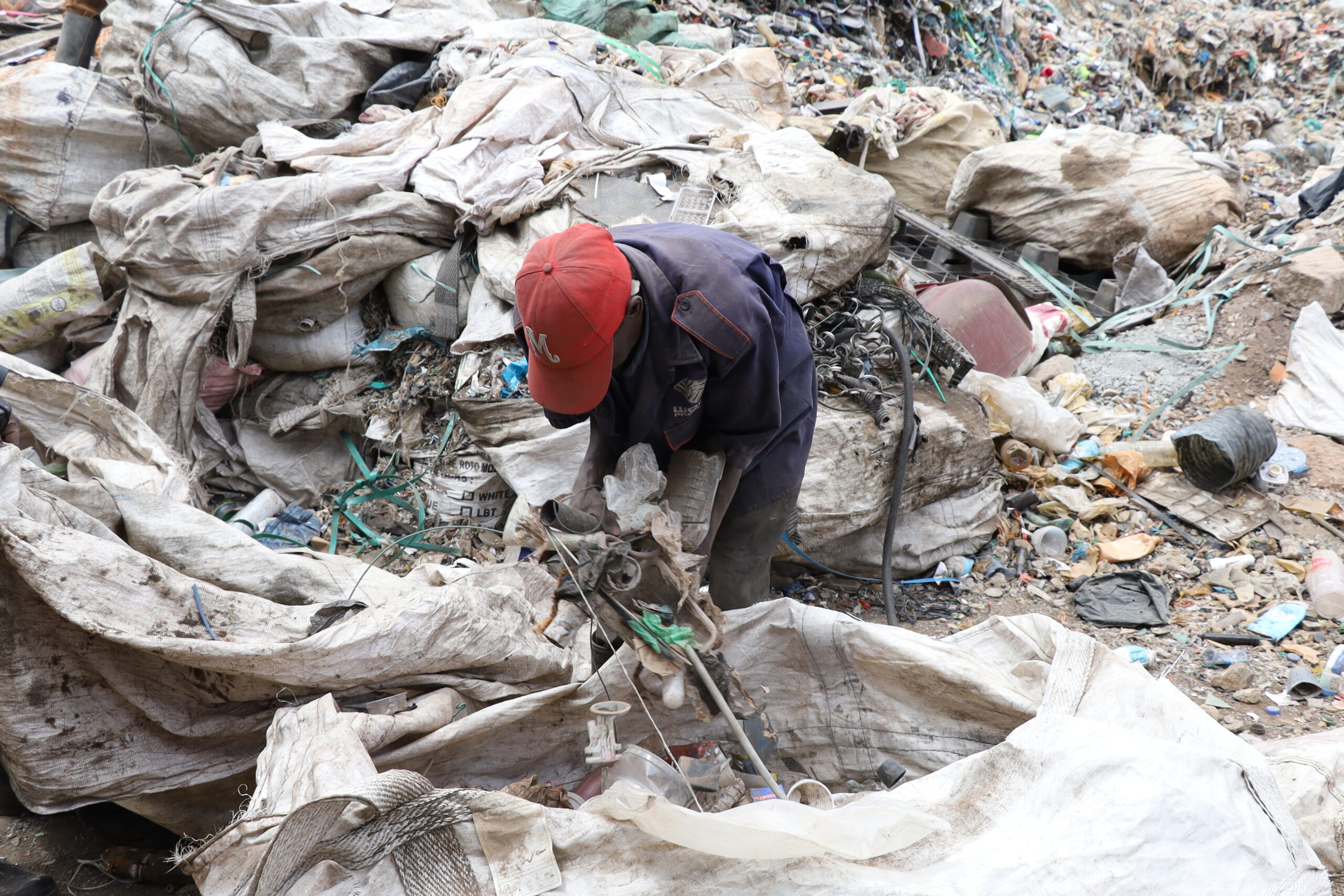
Kenya generates approximately 22,000 tonnes of waste each day, yet only around 4% is currently recycled. The prospectus identifies opportunities across five key sectors where improved collection, reuse, repair and recycling systems could unlock significant economic and environmental benefits.
The findings come amid growing momentum for circular economy approaches in Kenya. Recent policy developments, including the Sustainable Waste Management Act and Extended Producer Responsibility (EPR) frameworks, are helping to create a more enabling environment for investment. At the same time, global shifts in supply chains are increasing demand for recycled and secondary materials, positioning Kenya to capture new market opportunities.
”“Kenya has all the ingredients needed to build a thriving circular economy. There is strong policy momentum, a growing ecosystem of businesses and significant investor interest. The prospectus helps translate this momentum into a clearer investment story by identifying where capital can support circular infrastructure, services and businesses. This work is part of Systemiq’s commitment to working with local partners to advance sustainability transitions in Kenya.”
Ben DixonPartner and Head of Materials and Circular Economy at Systemiq
The prospectus highlights a rapidly evolving ecosystem of more than 120 circular economy businesses operating across the country. These businesses span multiple value chains, including packaging, electronics and textiles, and demonstrate the potential to build new industries while reducing reliance on imported raw materials.
However, despite this progress, investment in the sector has remained constrained by fragmented information and limited visibility of scalable opportunities. The prospectus aims to address this by providing a clearer picture of the investment landscape – identifying priority value chains, spotlighting emerging companies and projects, and outlining the enabling conditions needed to scale circular solutions.
Beyond serving as a reference document, the prospectus is designed to act as a catalyst for investment and partnership. By improving visibility of opportunities and aligning stakeholders around priority areas, it aims to accelerate the development of circular economy projects over the next three to seven years.

