
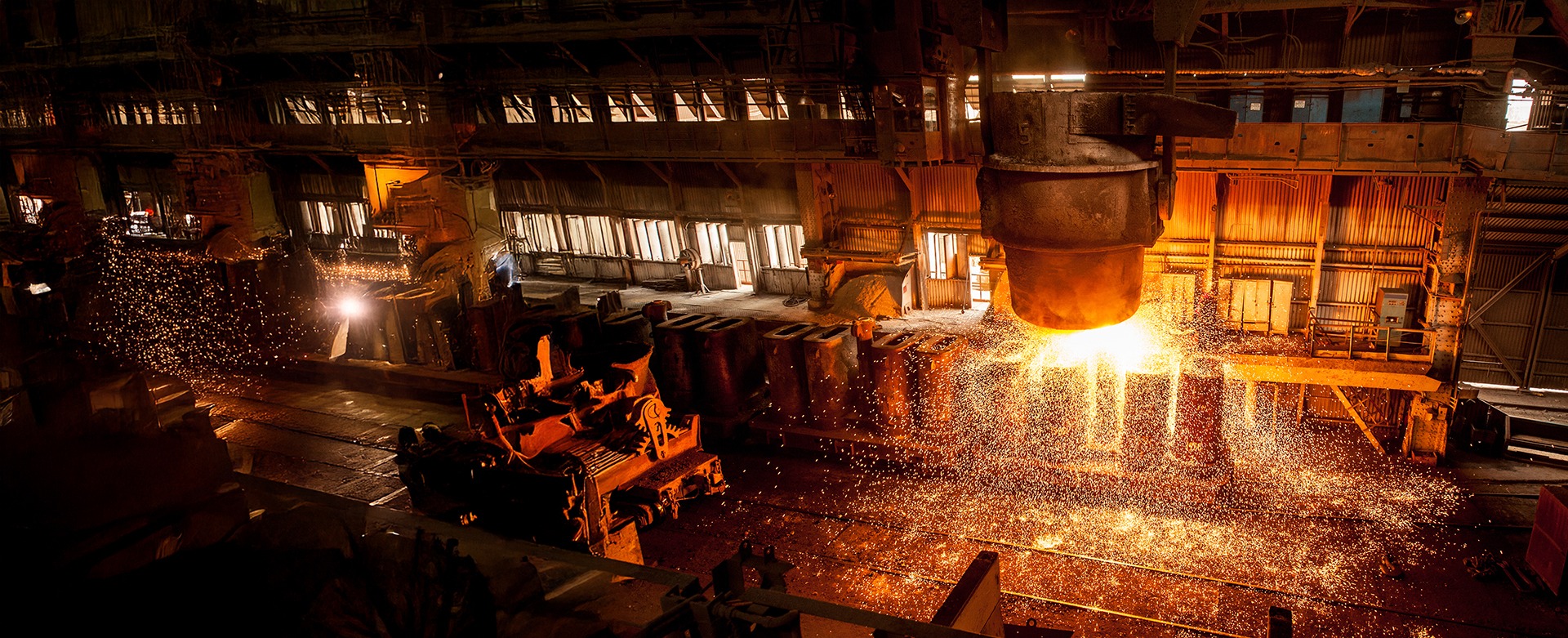
Systemiq's Steel-IQ 2.0 model shows that without action on feedstock security, flexible capacity and early OEM engagement, high-carbon steelmaking capacity risks remaining operational well into the second half of this century.
Steel is the backbone of the global economy. It is also responsible for 7–9% of global greenhouse gas emissions, more than any other material. A credible path to decarbonising the sector by mid-century exists, but whether the industry takes it and how fast, will shape both climate outcomes and the competitive fortunes of producers, governments, and investors for decades to come.
The whitepaper, drawing on Steel-IQ, Systemiq’s open-source techno-economic model of the global iron and steel sector, identifies four forms of inertia obstructing the transition under almost any scenario. It is designed for industry, policymakers, investors and civil society to test transition pathways, understand trade-offs and identify where action is most urgent.
What is new in Steel-IQ 2.0
Steel-IQ 2.0 is faster, more user-friendly and retains the transparency and flexibility valued by users across industry, policy, finance and civil society.
The model helps users explore how different choices on technology, policy, trade and investment could shape the future of steel. It provides a practical tool for moving from ambition to strategy, and from strategy to implementation.

